Bio Security

Biosecurity and Vaccination Systems for Disease Prevention and Animal Health

In pig farming, biosecurity and vaccination are the cornerstone of disease prevention and maintaining optimal animal health. Whether you operate a small family farm or a large commercial piggery, implementing strong biosecurity practices and a comprehensive vaccination program is essential to protect your herd from contagious diseases, reduce the risk of outbreaks, and ensure the overall well-being of your pigs.

In this article, we will explore the best practices for pig farming biosecurity and vaccination systems, helping you build a robust defense against diseases and optimize the health and productivity of your herd.

Biosecurity in Pig Farming: Protecting Your Herd from Disease

Biosecurity refers to the measures taken to prevent the introduction and spread of diseases on your farm. It is a proactive approach to safeguard the health of your pigs by minimizing exposure to pathogens, pests, and other environmental risk factors that can lead to infections.

Effective biosecurity practices are critical in protecting your pigs from a wide range of infectious diseases, such as African Swine Fever (ASF), Porcine Reproductive and Respiratory Syndrome (PRRS), Swine Influenza, and Foot-and-Mouth Disease (FMD). A robust biosecurity plan can prevent disease outbreaks, reduce the need for antibiotics, and ultimately improve farm profitability by avoiding costly health crises.

Key Biosecurity Measures for Pig Farms

  • Visitor Management: Restrict access to the farm to only essential personnel. Anyone who enters should follow strict hygiene protocols, including changing clothes, disinfecting footwear, and using hand sanitizers.
  • Signage: Place visible signs at the entrance to remind workers and visitors of the biosecurity rules.
  • Perimeter Fencing: Build fences around the farm to prevent wildlife and stray animals from entering, which could bring in diseases or parasites.
  • Quarantine New Animals: Any new animals introduced to the farm should be quarantined for a minimum of 30 days. This is crucial for monitoring their health status and ensuring they do not bring in any diseases.
  • Limit Contact with Other Farms: Minimize movement between your farm and other pig farms to prevent cross-contamination. If animal movements are necessary, ensure they follow strict biosecurity protocols.
  • Clean and Disinfect: Regular cleaning and disinfection of barns, equipment, and vehicles are essential to reduce the risk of pathogens. Use approved disinfectants that are effective against common swine diseases.
  • Equipment Control: Ensure that equipment such as feeding tools, waterers, and transport vehicles are thoroughly cleaned and disinfected before and after each use.
  • Rodent and Pest Control: Rodents, flies, and other pests can carry diseases. Implement rodent control measures and maintain clean surroundings to minimize exposure to harmful vectors.
  • Proper Disposal of Waste: Animal waste, including manure, bedding, and dead animals, should be handled and disposed of properly to prevent contamination. Use composting or burial methods that meet local regulations to safely manage waste.
  • Isolation of Sick Pigs: Immediately isolate sick pigs from healthy ones to prevent the spread of infections. Ensure that sick pigs receive the appropriate veterinary care in a controlled environment.
  • Regular Health Checks: Regular veterinary visits and health checks are important for identifying any early signs of disease or infection. Keeping accurate records of treatments, vaccinations, and health observations will help track the health status of your herd.
  • Farm Health Protocols: Develop standard operating procedures (SOPs) for managing sick animals, cleaning and disinfecting areas, and dealing with potential disease outbreaks. Staff should be trained to recognize symptoms of common pig diseases and act swiftly.

Decease

Pig Farming: Disease Management & Vaccination Systems for Healthier Herds

In pig farming, maintaining the health of your herd is crucial for profitability, productivity, and animal welfare. Diseases can significantly impact pig growth, reproductive success, and overall farm efficiency. Implementing effective disease prevention strategies, including vaccination programs and biosecurity measures, is essential to managing health risks and ensuring long-term sustainability.

This article explores the key diseases affecting pigs and the importance of a comprehensive vaccination system to protect against these diseases, along with best practices for disease management in pig farming.

Common Pigs Diseases and Their Impact

Pigs are susceptible to a variety of infectious diseases, some of which can spread rapidly within a herd if not properly managed. Understanding these diseases, their symptoms, causes, and the ways they spread is vital for any pig farming operation.

Common Swine Diseases

  • Impact: PRRS is one of the most economically significant diseases in pig farming, affecting both the reproductive and respiratory systems. It leads to poor reproductive performance in sows, including stillbirths, mummified piglets, and abortions. Respiratory symptoms, such as coughing and pneumonia, are common in piglets and growing pigs.
  • Symptoms: Fever, labored breathing, coughing, reproductive failures, stillbirths, and weak piglets.
  • Transmission: The PRRS virus is highly contagious, spreading through nasal secretions, contaminated equipment, and airborne particles.
  • Impact: Swine flu is a viral infection that can cause significant respiratory issues in pigs. It is especially prevalent in intensive farming systems where pigs are kept in close proximity.
  • Symptoms: Fever, coughing, nasal discharge, lethargy, and decreased appetite.
  • Transmission: The disease is spread through respiratory droplets from infected pigs, contaminated feed, and equipment.
  • Impact: Swine flu is a viral infection that can cause significant respiratory issues in pigs. It is especially prevalent in intensive farming systems where pigs are kept in close proximity.
  • Symptoms: Fever, coughing, nasal discharge, lethargy, and decreased appetite.
  • Transmission: The disease is spread through respiratory droplets from infected pigs, contaminated feed, and equipment.
  • Impact: Caused by Mycoplasma hyopneumonia, this bacterial infection leads to chronic respiratory issues, particularly in younger pigs. It often results in slower growth rates and reduced feed efficiency.
  • Symptoms: Coughing, labored breathing, and nasal discharge. Pigs may experience poor growth due to respiratory distress.
  • Transmission: The bacteria spread through nasal secretions and respiratory droplets, especially in crowded conditions.
  • Impact: FMD is a highly contagious viral disease that affects cloven-hoofed animals, including pigs. Though not always fatal, it can cause significant production losses due to lesions, lameness, and reduced milk and meat production.
  • Symptoms: Blisters in the mouth, between the hooves, and on the teats. Fever, lameness, and reduced feed intake.
  • Transmission: FMD spreads via contact with infected animals, contaminated equipment, feed, and through airborne particles in some cases.
  • Impact: This bacterial infection causes reproductive failures in sows, including abortions and stillbirths, and can affect the kidneys and liver of adult pigs.
  • Symptoms: Jaundice, fever, reproductive problems, and poor performance in infected pigs.
    • Transmission: Leptospirosis is transmitted through contact with contaminated water, soil, or the urine of infected animals.

Vaccination: Key to Disease Prevention

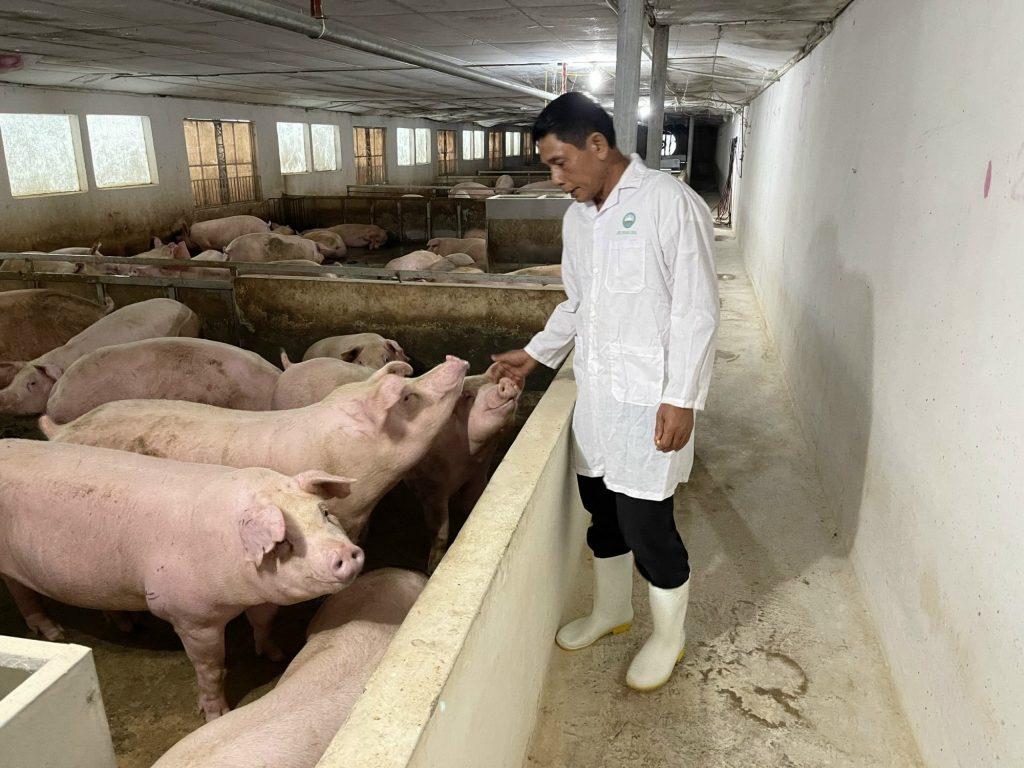
Vaccination is one of the most effective tools in preventing infectious diseases in pigs. A comprehensive vaccination program helps strengthen the immune system of pigs, reducing the risk of disease outbreaks and ensuring better productivity.
Importance of Vaccination in Pig Farming

Vaccinating pigs against common diseases helps reduce:
  • Mortality and morbidity rates in the herd.
  • Reproductive losses, such as stillbirths, abortions, and mummified piglets.
  • Poor growth rates and feed efficiency caused by diseases.
  • The need for antibiotic treatments, promoting responsible use of antibiotics and reducing the risk of resistance.
  • Economic losses, by ensuring a healthier, more productive herd.


Common Vaccines for Pigs

  • Purpose: Helps prevent Post-weaning Multisystemic Wasting Syndrome (PMWS), a disease that causes poor growth and high mortality in piglets.
  • Administration: Typically administered to piglets at weaning (around 3-4 weeks of age).
  • Impact: Swine flu is a viral infection that can cause significant respiratory issues in pigs. It is especially prevalent in intensive farming systems where pigs are kept in close proximity.
  • Symptoms: Fever, coughing, nasal discharge, lethargy, and decreased appetite.
  • Transmission: The disease is spread through respiratory droplets from infected pigs, contaminated feed, and equipment.
  • Purpose: Provides immunity against the H1N1 swine flu virus, reducing respiratory issues and preventing the spread of the virus within the herd.
  • Administration: Typically administered to pigs in high-risk areas or during periods of increased disease risk.
  • Purpose: Prevents Enzootic Pneumonia, a chronic respiratory disease caused by the Mycoplasma hyopneumonia bacteria.
  • Administration: Vaccination is typically given to piglets at weaning or in the early stages of growth.
  • Purpose: Protects against Actinobacillus pleuropneumonia, a bacterial infection that causes severe pleuropneumonia, which can lead to sudden death in pigs.
  • Administration: Often given to piglets to protect them during the weaning period.
  • Purpose: Helps prevent leptospirosis, a bacterial infection that causes reproductive issues and liver damage in pigs.
  • Administration: Administered to sows prior to breeding to prevent transmission of the bacteria to piglets.

Developing an Effective Vaccination Program

To create a successful vaccination system for your pig farm, it’s important to work with a veterinarian to tailor a program that meets the specific needs of your herd. Consider the following factors when developing a vaccination plan:

Example Vaccination Schedule

Here’s a general guide to a vaccination schedule for pigs:

Age/Stage

Vaccine

Purpose

At Birth

None (unless for specific diseases)

N/A

Weaning (3-4 weeks)

PCV2, PRRS, Mycoplasma Hyopneumonia

Prevents viral and bacterial infections

6-8 Weeks

Swine Influenza, APP, Leptospirosis

Prevents respiratory diseases and reproductive issues

Pre-Breeding (Sows)

Leptospirosis, PRRS, Mycoplasma Hyopneumonia

Prevents reproductive losses in sows and transmission to piglets

Farrowing (Sows)

PRRS (if not already given)

Helps protect piglets during birth and early growth

Boosters & Follow-up

Some vaccines, particularly for diseases like PRRS or Swine Flu, may require booster shots. Follow up with regular boosters as recommended by your veterinarian to ensure continued protection, particularly during times of increased disease risk (e.g., during farrowing or stressful conditions like transport).

Complementing Vaccination with Biosecurity

While vaccination is a vital tool in disease prevention, biosecurity practices are equally important. Proper biosecurity measures minimize the risk of disease introduction and help protect your herd from infection.

Biosecurity Best Practices

  • Isolation: Quarantine new animals for at least 30 days before introducing them to your herd.
  • Disinfection: Clean and disinfect all equipment, vehicles, and housing regularly.
  • Control Access: Restrict access to farm facilities to essential personnel only. Use footbaths and protective clothing to prevent the spread of disease.
  • Monitoring: Conduct regular health checks, monitor for disease symptoms, and immediately isolate any sick animals to prevent outbreaks.